
The UAE real estate sector in 2025 is experiencing one of its strongest periods in history. Dubai in particular continues to post record-breaking transaction volumes, rising prices, and sustained foreign investment. Residential sales remain high across both off-plan and ready properties, with demand supported by strong economic performance, population growth, and a steady influx of international professionals choosing the UAE as a long-term base.
What makes the 2025 – 2026 cycle unique is that the growth is driven more by real demand than speculation. A significant share of buyers are end users or long-term investors rather than short-term flippers. This has helped stabilise the market and reduce volatility. The UAE’s visa reforms, business-friendly environment, and infrastructure development are attracting families, high-net-worth individuals, digital nomads, and corporate relocations. As a result, rental yields remain attractive, and the overall market sentiment is confident.
Another noteworthy factor is the maturing profile of Dubai’s buyers. More buyers are seeking homes tied to lifestyle quality, stability, and community features. This trend supports strong demand for well-planned master communities, green spaces, and mixed-use districts. As a result, developers are competing with higher-quality living environments, advanced smart-home features, and sustainability initiatives.
Top Real Estate and Business Developments in the UAE and Dubai for 2026
Below are the ten most impactful real estate and business development themes shaping Dubai and the wider UAE in 2026. Each has been expanded with context and insight.
- Expo Valley Views and New Expo City Residential Communities
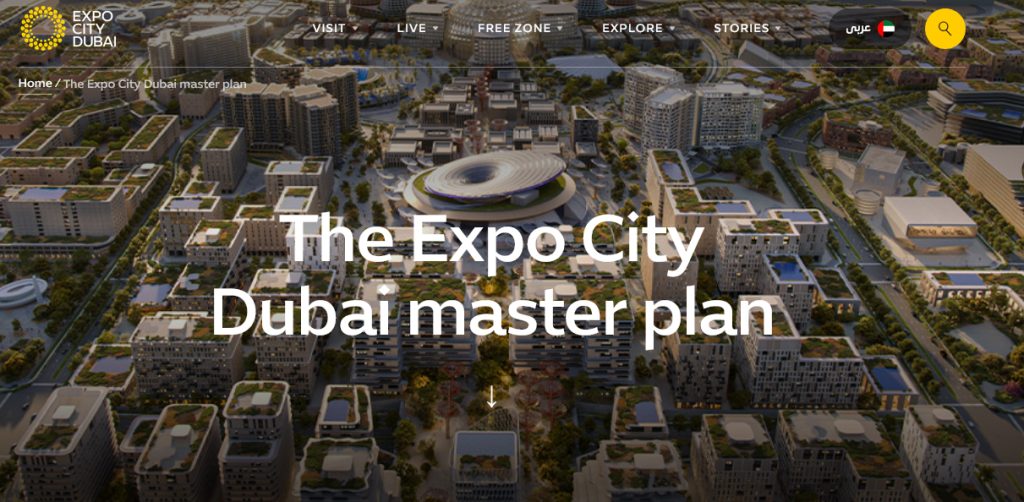
The launch of new residential communities within Expo City, including Expo Valley Views, represents a deliberate shift toward sustainable, nature-focused urban living. These developments emphasise low-rise buildings, green landscaping, wellness amenities, and modern community infrastructure. The Expo City master plan aims to transform the area into a long-term cultural, commercial, and residential destination, setting a new standard for large-scale sustainable living in Dubai.
These projects also signal a new identity for the Expo site. Rather than being viewed as a temporary event space, the district is emerging as a major new suburb supported by schools, retail, commercial spaces, entertainment venues, and future transportation links.
- Accelerated Launch of New Residential Projects Across Dubai
More than 300 residential projects were launched in 2025, with tens of thousands of units coming to market. Developers are moving quickly to meet enormous consumer demand. The pipeline includes everything from mid-market apartments to luxury villas, beachfront developments, smart-home integrated residences, and vertically integrated communities. We recommend reading the RCCIL guide to investing in Dubai property
This surge reflects market confidence and access to developer financing. It also shows that Dubai is accommodating a growing population that requires modern, high-quality housing options in various price segments.
- Record-High Weekly and Monthly Transaction Volumes
Dubai achieved some of its highest-ever weekly real estate transaction values in 2025, with individual weeks exceeding billions of dollars in sales. This continued influx of liquidity underscores sustained investor confidence and ongoing appetite for both off-plan and ready properties.
The strong momentum in transactions shows a market underpinned by structural demand rather than a temporary spike. The depth of the market is widening, providing resilience even as supply increases.
- Strong Rental Yields and Demand Driven by New Global Residents
Rental yields averaged around seven per cent in many sought-after communities, significantly outperforming major international cities. The UAE’s business incentives, safety, taxation benefits, and lifestyle advantages have encouraged a diverse mix of global talent to relocate.
This shift has helped convert Dubai from a speculative investment hub into a long-term residential and business destination. Many renters are now transitioning into buyers, creating sustained upward pressure on both sales and rental markets.
- Developer Expansion Supported by Large-Scale Capital Financing
Developers across the UAE have increased their use of creative financing strategies, including bonds, institutional credit arrangements, and large-scale private funding. This capital injection supports ambitious multi-year project plans and ensures steady construction pipelines.
Such financing confidence indicates that developers are looking toward long-term stability rather than rapid speculative cycles. This provides reassurance to investors seeking dependable project delivery and completion timelines.
- Market-Wide Record Sales and Continued Sector Growth
Dubai’s property market recorded its sixth consecutive year of upward performance in 2025. The residential sector continues to dominate total transaction values, supported by strong demand across both luxury and mainstream categories.
The commercial sector is also expanding, driven by new businesses, relocations of global headquarters, and growing demand for flexible office arrangements. This contributes to long-term business ecosystem growth across the UAE.
- Shift Toward Mixed-Use Sustainable Communities
Many new developments blend residential, commercial, cultural, and recreational features. Investors and residents increasingly prefer communities where they can live, work, and socialise without extensive commuting.
The emphasis on walkability, parks, green corridors, community clubs, and integrated retail reflects Dubai’s transition toward global urban development standards focused on lifestyle quality.
- Continued Strength of Luxury Property Market
Ultra-luxury properties, waterfront homes, branded residences, and signature villas continue to see strong demand. Although the growth rate has stabilised, the segment remains one of the most profitable in Dubai due to limited supply in the most desirable districts.
Dubai’s luxury market is attracting global high-net-worth families and business owners seeking safe, tax-efficient, high-quality living standards. This segment often performs independently of general market cycles, providing long-term resilience.
- Expansion of Real Estate Momentum Across the Entire UAE
Beyond Dubai, cities such as Abu Dhabi, Sharjah, Ras Al Khaimah, and Ajman are witnessing increased investor interest. Large-scale master developments, free zone growth, and enhanced tourism strategies are supporting diversification across the Emirates.
This expansion creates a more balanced national real estate ecosystem and provides opportunities for investors seeking emerging markets with strong growth potential.
- New Buyer Demographics and Evolving Investment Behaviour
The buyer profile in the UAE has become more diverse and long-term oriented. Younger professionals, families relocating from Europe and Asia, remote workers, and long-term expatriates are driving sustainable demand for housing.
This reduces short-term volatility and encourages developers to design communities with family-friendly infrastructure, educational facilities, and long-term amenities.
Roadmap for 2026 in the UAE and Dubai Real Estate Market
The trends emerging in 2025 set the stage for an ambitious and evolving landscape in 2026. Below is an expanded projection of what to expect.
Continued Growth of Masterplanned, Mixed-Use Urban Districts
Major development zones such as Expo City, Dubai Creek Harbour, Palm Jebel Ali, Al Jaddaf, and Dubai South are expected to expand rapidly. These areas will see new residential clusters, commercial hubs, hotels, transport links, and lifestyle venues.
By 2026, the UAE is expected to accelerate its shift toward well-integrated communities designed for long-term residents. These large districts will emphasise sustainability, mobility, smart infrastructure, and community-oriented living. Learn more about the UAE with the Britannica guide.
Slower but Stable Price Growth Supported by Strong Demand
While 2025 saw rapid growth, 2026 is projected to bring more moderate increases in property values. This is a sign of market maturity rather than weakening demand. Rental yields are expected to remain stable, making real estate a reliable investment category.
More families and long-term residents entering the market will likely support ongoing price stabilisation. Investors can expect consistent growth driven by genuine demand rather than speculation.
Sustainability, Wellness, and Smart-Living Features Accelerate
Developments in 2026 will likely prioritise energy efficiency, low-carbon construction, smart-home integration, and community wellness facilities. Dubai’s long-term environmental and urban-development plans encourage greener urban zones.
These features will become essential rather than optional, especially for mid to high-end developments. Buyers are increasingly prioritising community design, air quality, access to nature, and long-term environmental performance.
Strong Foreign Investment and More Diverse Investor Profiles
Foreign investors, including expatriates already living in the UAE, retirees, remote workers, and international professionals, are expected to continue entering the market in 2026. Dubai’s visa programs, business licensing structures, and stable economy support this trend.
Although luxury investors will remain active, mid-market investment opportunities will attract a broader global audience seeking affordability and long-term rental potential.
Risks to Watch: Supply Expansion, Global Economic Conditions, and Affordability
While the outlook for the UAE and Dubai real estate market remains broadly positive for 2026, several risk factors could influence the pace and stability of growth. One of the most significant considerations is the potential for oversupply in specific market segments. With a large number of new developments and off-plan communities scheduled for delivery between late 2025 and 2027, some districts may experience an increase in available inventory. If supply begins to outpace demand in specific price brackets, particularly in mid-range apartment clusters, this could lead to slower capital appreciation, increased competition among landlords, and pressure on achievable rental yields.
Another critical factor is the global economic environment. The UAE attracts a high volume of foreign capital, and external economic variables can influence investor confidence. Changes in global interest rates, shifts in currency strength relative to the dirham, and broader geopolitical events can shape investment flows into the region. For example, rising borrowing costs internationally may reduce the appetite of some foreign buyers, while economic uncertainty in certain areas could temporarily dampen cross-border investment activity. Although the UAE remains relatively insulated due to its strong fiscal position and diversified investment base, global conditions still shape market behaviour.
Given these evolving dynamics, investors and buyers will benefit from careful project selection and awareness of future supply pipelines. Understanding the volume of developments scheduled for completion in specific districts can help investors identify areas with healthier supply-demand balances. Established communities with strong infrastructure, schools, retail, and transport links tend to hold value more consistently, whereas emerging districts may require more strategic timing to optimise returns. In 2026, due diligence and micro-market analysis will play a more substantial role in achieving stable, long-term performance. Learn more in our How to get into Property Investment guide.